


How to use points of difference to increase your prices
If your prices are too high, nobody will purchase. Too low, everybody will purchase and you won’t survive.


When promoting their offers, organisations struggle with a strategy to set their prices. Too high, and nobody will purchase; too low, everybody will purchase, yet the business won’t survive. So what is the right way to establish your pricing strategy? Business advisor, author and CEO of Empower Business Solutions, Dr. Greg Chapman shares his top tips.
Economic theory tells us that you ought to set your prices as high as your market permits. Yet, what does that mean?
When determining their pricing strategy, the single greatest error that organisations make is not to comprehend the worth of their offer and contrast it with their rivals’ offers.
Businesses must analyse their points of difference, and communicate how their offer is superior.
Some questions to ask yourself about your product:
If the buyer perceives there is little difference between yours and competitors’ products, they will regard it as a commodity, and consider only price in their buying decision.
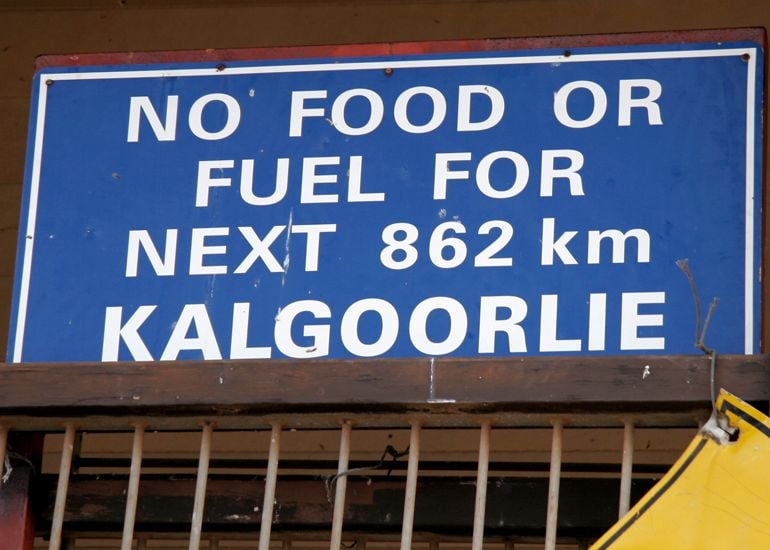
Context is also important in the buying decision. At a service station, you may see a candy bar for $4, yet you know you have seen the same bar at your local supermarket for $3. But it’s only a dollar difference, your total fuel cost is $60 and you feel hungry now, so you just buy the bar.
However if the price was double, you might reconsider the cost – although if you knew this was this was the last station for 150 miles, you may just pay the price.
Financial analysts call this choice “the cost of shoe leather”, which is the measure of exertion you are prepared to make save money.
If your item keeps going twice as long, would you be able to charge twice as much? That would depend on the disruption caused by the product expiring. A hole in your sock is minor, the hindrance component may be very low. However, if there was fatigue identified in a landing wheel bolt, putting the plane out of service, the cost would be high. Paying a premium for a stronger bolt would be a small price to pay.
When considering which bolts the plane manufacturer would choose, lifetime would be the primary consideration, not price. The bolt supplier’s pricing strategy would be based on their understanding of the value of the additional life their bolt provides the operator, not on their cost of manufacture.
However, it’s not enough for the supplier to understand the economics of the longer life bolt – often the purchaser doesn’t understand the value. To support this pricing strategy, it is also necessary to educate your customers. It’s a mistake to assume that they understand the true cost of their buying decisions.
So if it’s 150 miles to the next petrol station, make sure you have a sign letting drivers know this fact. When your pricing strategy is based on value rather than cost, and you educate your buyers on your points of difference, you will become a price maker, not a price taker, and your products and services will be reassuringly expensive.
This post was originally published in 2016 and has been updated for 2022.
Want more? Get our newsletter delivered straight to your inbox! Follow Kochie’s Business Builders on Facebook, Twitter, Instagram, and LinkedIn.


Comments