


7 types of logo (and how to pick the right one for your small business)


Understanding the different types of logo can be invaluable when choosing what’s best for your small business brand, writes Shayne Tilley.
Although you see and interact with hundreds of logos everyday, you might not have given much thought to them. That is, until it’s time for you to develop a visual representation for your own business.
If you look a little closer, you’ll notice that logos can be sorted into seven key categories: Monogram logos, Wordmarks, Pictorial, Abstract, Mascots, Combination and Emblems. That’s quite a lot to choose from, so admittedly it can seem daunting at first. But understanding these logo styles can be invaluable when starting to think about what will work best for your brand.
If you’re in the market for a new logo, or even if it’s just time for a bit of a brand refresh, we’ve broken down the types of logo and what each communicates. That way, you can choose which type is right for you.
Sometimes also known as ‘lettermarks’, monogram logos consist of letters, usually the initials of a brand. These are often used when a brand’s name is quite lengthy. By using initials as identification instead, they’ve created something visually striking that is easier to remember. For example, it’s much easier to say NASA rather than ‘National Aeronautics and Space Administration’ or HBO than ‘Home Box Office’ (and much more memorable too).
The beauty of monogram logos is their simplicity, which means they are easy to replicate and scale across different marketing and branding material. But since these types of logo focus only on initials, using creative typography over stock fonts is recommended to make a unique mark for your brand.
So, if your business has a long name, a monogram logo could be perfect for your business – and let’s face it, we Aussies love an abbreviation.
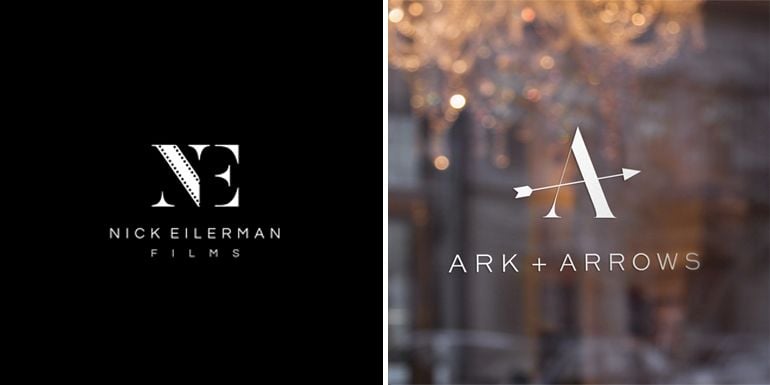
Otherwise known as ‘logotypes’, wordmarks are similar to monogram logos in that they are font based with no graphics. But instead of just initials they feature the whole name of the business. These types of logo work for brands who have a short and distinct name. Think Google, Coles or JB HiFi. These are all catchy and succinct brand names that when combined with a solid wordmark, make for one unforgettable logo.
Once again, typography is the focus here and different fonts lend themselves to different traits. So you need to choose or create a custom font that really captures the qualities and personality of your business.
Like monogram logos, wordmarks are easily scalable and adaptable for different surface areas, from business cards to outdoor signage. So if you have a distinct and recognisable business name, consider a wordmark to make it stand out.
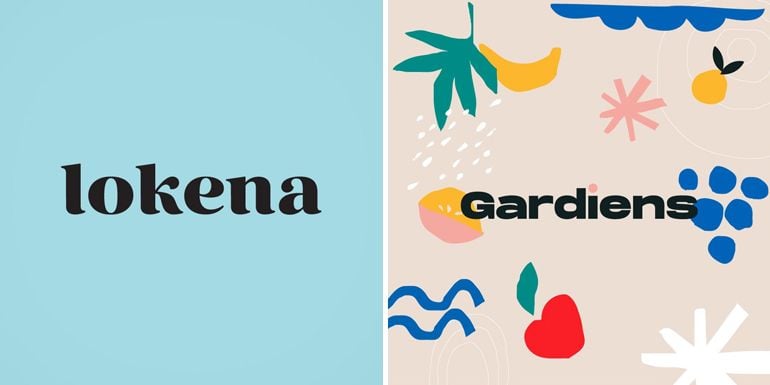
Pictorial marks, sometimes referred to as logo symbols, are icon-based logos and are often what most people think of when talking about logos. From Target and Mercedes to Twitter and Apple, these company logos are so iconic that they don’t even need to be accompanied by the brand name for you to recognise them. But it’s not just the brand’s popularity that makes them so memorable.
The most important thing for businesses to consider with a pictorial mark, is what graphic or icon to use. To stand the test of time and become synonymous with your brand, it needs to contain elements that your audience will strongly associate with your business. Consider the broader meanings behind your business name and what you do. Do you want to use something as literal as the apple in Apple’s logo? Or be more subtle with a graphic that pulls on your business location, history or values?
These types of logos work particularly well for a business operating in global markets, as imagery can often translate better than words.
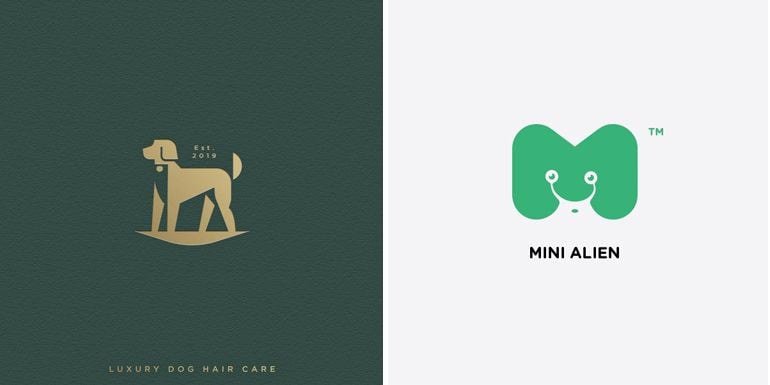
Like a pictorial mark, an abstract mark uses a symbol or icon to represent your business. However, instead of being something recognisable – like a piece of fruit or target sign– these graphics are abstract, often geometric, forms. From the Nike ‘swoosh’ to the BP ‘sunflower’, these marks work effectively by distilling your brand into a single icon.
The benefit of an abstract mark over a pictorial one, is that you’re not confined to using graphics that are strongly associated with your business. Instead, you have the freedom to create something unique that uses symbolism to showcase your brand. As colours play such a vital role in shaping your audience’s perception of your brand, take care in choosing ones that convey the right messages about your brand.
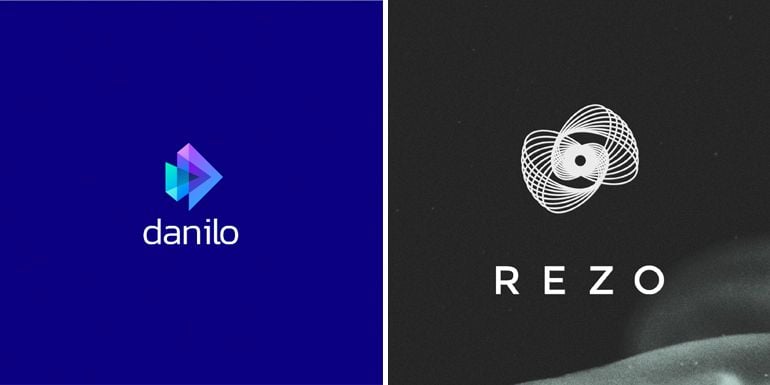
Mascot logos involve a colourful, often cartoonish, illustrated character that represents your business. They are favourites among food and drink companies, sports teams and children’s brands. Think Duo the owl from Duolingo, or KFC’s Colonel – these brands have managed to successfully create a persona around their mascots that brings their brand personality to life.
Mascots are the perfect types of logo for brands that want to communicate their fun or playful side. Your logo mascot can become an ambassador for your brand that helps connect with your audience. Depending on the type of personality you want to convey with your logo, you can choose a mascot to match.
A combination mark is exactly what it sounds like – a combination of a wordmark or a letter mark with a pictorial, abstract or mascot mark.
These elements can be composed side by side or over one another to create these types of logo. Some well known combination logos you might be familiar with are Hungry Jacks, Woolworths and Qantas which perfectly blend shapes and imagery with their brand names.
Having an icon placed next to or integrated with a logotype or lettermark helps foster a strong association between your brand name and image. This is great for prompting stronger brand recognition. So if you’re a new brand, you might want to consider a combination logo until your business establishes itself, when you may be able to start using your pictorial mark or mascot on its own.
Emblem logos often look like crests, seals or badges and there is a traditional look and feel to them. This sees them favoured by the auto industry, beer and spirits companies and barber shops. As the oldest types of logo style they can convey a sense of prestige and tradition, giving an official look to your brand.
These types of logo involve a higher level of detail and the name and image or symbol are entwined with one another. This means they can be less versatile and harder to scale than some of the other types of logo. This means, if you’re wanting to feature your logo on a business card, or embroider it onto a cap, you’ll need to ensure that your emblem logo is less intricate so that it is more easily scalable for smaller surface areas – a good example of this is the Warner Bros emblem logo.
Small yet mighty – logos communicate a lot about your business. As you can see here, with seven types of logo there’s no one size fits all solution. While they’re all a combination of imagery and typography, each type of logo conveys something different and can give your brand a totally distinct meaning and feel. So making sure you know what to communicate is the important first step, before the fun of designing your logo begins!
Want more? Get our newsletter delivered straight to your inbox! Follow Kochie’s Business Builders on Facebook, Twitter, Instagram, and LinkedIn.


Comments