


How immersive retail can help brands stand out from the competition


As a business owner or marketer, you know how competitive the retail industry can be. With so many brands vying for customer attention, it’s important to find ways to stand out and make a lasting impression. That’s where immersive retail comes in, writes Shaun Broughton, Managing Director, APAC & Japan at Shopify.
Immersive retail is all about creating a seamless customer journey. By using technology to create an environment that is both easy and enjoyable, businesses are able to provide a shopping experience that is second to none. This can include virtual and augmented reality, AI and machine learning, chatbots and other interactive elements that engage the customer and enhance their shopping experience.
The goal of immersive retail is to create a more engaging and memorable shopping experience that drives customer loyalty and sales.
And let’s not forget the impact that immersive retail can have on customer engagement. Shopify recently surveyed Australian consumers, who said that providing a great customer experience was essential for retailers to retain their loyalty during the cost-of-living crisis. In fact, 38 per cent of Australian consumers cited this as a priority.
Interactive displays and augmented reality experiences can increase the time customers spend in the store and provide them with a unique, memorable experience that they’re likely to share with others.
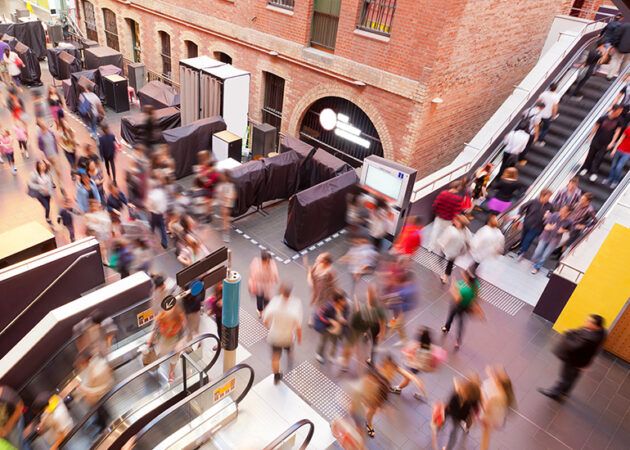
You may have heard anecdotes from retailers that customer foot traffic is down in Australia. And according to Kepler Analytics, that is partially true – consumers are visiting 20 per cent less stores in a typical shopping centre visit than they did pre-pandemic. But the reality is a little more nuanced than that, as consumers are spending 30 per cent more time in the shops they are visiting compared to pre-pandemic.
This shows that consumers are becoming more strategic with their shopping time and represents an opportunity for retailers that can find novel ways to attract customers to their stores, and a challenge for those who cannot.
As consumers, we all want to feel like we’re part of the shopping experience. We want to be engaged and entertained, and – most importantly – we want to feel a connection to the brands we shop with. Immersive retail does just that. By creating an environment that is designed to delight and engage customers, brands can forge an emotional connection that can last a lifetime.
Shopify merchant, July Luggage, is a great example of a brand creating an immersive shopping experience for its customers. Pre-COVID, July was hosting monthly events, encouraging customers to visit their store so they could enjoy a first-hand experience with the brand and engage with their premium product range. This helped the staff provide personalised experiences in-store, offering customers the opportunity to design a bespoke piece of customised luggage.
These event experiences create a strong emotional connection and can drive sales.
Recent data from Shopify revealed that 92 per cent of surveyed retailers agree that now more than ever, having a direct relationship with consumers is more important than ever before. Indeed, as Australian businesses are feeling the cost-of-living squeeze, 78 per cent are looking for creative ways to add value for consumers. It’s a win-win for both the brand and the customer.

Last year more than 35 per cent of Australian brands planned to invest in tech to enhance the customer’s in-store shopping experience. From the moment a customer enters the store, they are transported into a world that is designed to make their shopping experience as seamless as possible.
How can you make immersive commerce work for you?
A ‘third space’ is a place outside of home and work where people regularly go, like a coffee shop or health club. If you’re looking to boost in-store foot traffic, consider hosting collaborations with coffee shops, art galleries, exercise spaces, or other brands that are appropriate for your business.
Omnichannel is the mix of all physical and digital channels to create an innovative and unified customer experience. Transacting through these channels is a hygiene factor. Examples of these include expectations consumers have around click-and-collect and return in-store.
Showrooming is a trend in shopping behaviour where consumers visit stores to touch and feel the products but opt to purchase them online. This is a great option for pop-up or smaller format stores to help with product discovery whilst being able to deliver your full range of products.
The important aspect here is utility. Depending on your business, this might be in-store services like styling, collaborative product build, exclusive launches – whatever is right for your brand and customers.
If you’re looking for a way to stand out from the competition and create a unique shopping experience for your customers, then immersive retail is the way to go. So, why wait? Start exploring the world of immersive retail today!
Want more? Get our newsletter delivered straight to your inbox! Follow Kochie’s Business Builders on Facebook, Twitter, Instagram, and LinkedIn.


Comments