


Women business leaders share what International Women’s Day means to them


This March 8, we asked seven outstanding female business leaders, ‘What does International Women’s Day mean to you?’
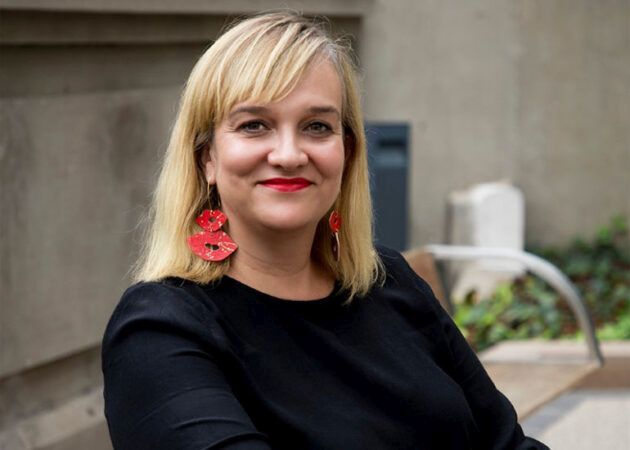
“The technology industry has made great strides in recent years, but women are still underrepresented in both senior leadership positions and in certain roles. International Women’s Day is about celebrating those strides and raising awareness of the work still ahead of us. Creating an environment where everyone, regardless of gender, age, race, social background and more is celebrated, empowered and comfortable is essential.
“Many women, when asked, don’t feel they are discriminated against in the workplace, but the lack of representation in certain roles in management and on boards, as well as gender pay gaps, would suggest otherwise. International Women’s Day is about drawing attention to that.
“Ending discrimination and underrepresentation extends way beyond the workplace. At home we need to treat young boys and girls as equals. At schools, everyone should be encouraged to take part in STEM or art or whatever they’re passionate about. There’s a long way to go, but I’m optimistic; I can see a palpable difference between the attitudes of 20 and 30-year-old men and 50 to 60-year-old men. Flexible working arrangements post-pandemic also mean more men are sharing the household and family caring load, which is a wonderful benefit out of the dark days of COVID lockdown.”
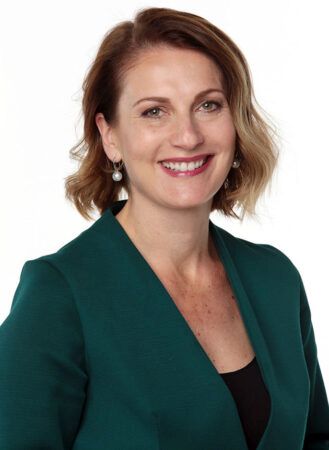
“International Women’s Day is an important opportunity to celebrate the huge contributions women make to industries and communities, and also to reflect on what we can do better to empower women in the workplace. Real diversity delivers better results, and that’s why meaningful measures like closing gender pay gaps, building supportive workplace networks and improving hiring practices are so important.
“The shift to hybrid workplaces has had clear benefits for working parents and the post-pandemic period has inspired many people to make choices about what’s really important to them. However, parents feel under too much pressure to achieve a perfect work-life balance and instead, we need supportive and progressive workplace cultures where parents don’t feel like they have to make a choice between a career and a family.
“We want to create workplaces where it’s encouraged to attend your child’s school swimming carnival or school play, and workplaces that support leaders and teams with flexible working and collaboration, so everyone benefits from opportunities. For me, a better harmony between work and family comes when I’m more mindful about how I spend my time, whether that’s making time to exercise, or spending quality time with my kids.”

“Women have been significantly underrepresented and undervalued in many roles and industries, leading to persistent gender disparity. In the technology industry, this is a result of various factors that ultimately stem from systemic bias and stereotyping. Yet, many fail to realise that this has far-reaching consequences: the lack of diverse perspectives and ideas – traits that are the hallmark of successful, progressive companies.
“This is why STEM education is important if we want to build a successful future that is just and equal. I’ve had fantastic experiences and exposure in the technology industry, but I also read somewhere that young women stop being interested in STEM education at age 15. As a society, we must keep highlighting and embracing the successes of women in STEM – we have a duty to be role models to these young women, not just to inspire them, but so that they feel represented. Accessible education, innovative and inclusive thinking is how we combat discrimination.
It is also important that people are open to change. Discussions and efforts around building an equal and inclusive world are increasing, but we still have a long way to go. This requires concerted efforts and policy interventions that promote gender diversity and empowerment – and everyone has a part to play. I’ve especially found young people are more open and less discriminatory, and perhaps this is a positive sign of things to come.”
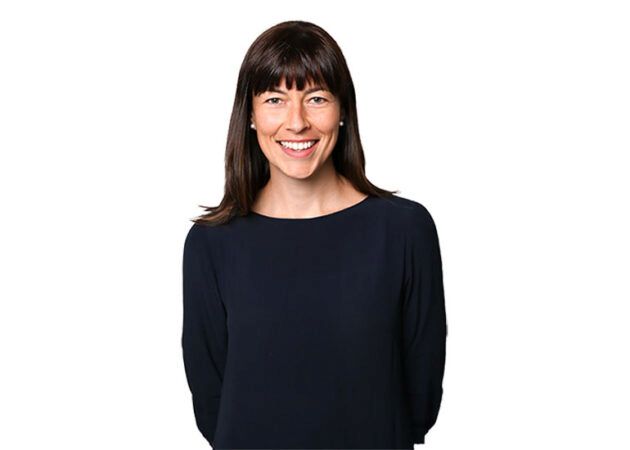
“International Women’s Day, for me, serves three purposes: raising awareness, celebrating women’s contributions in every facet of life, and reflecting on how far we still have to go.
“Women have always been under-represented in the technology sector. Statistically, there likely hasn’t been overwhelming progress, but attitudinally there has been a shift; a willingness to discuss and tackle the issue. Since the start of my career, I’ve seen a broadening of those trying to enact meaningful change. Many technology companies today are making real commitments and real gains. That should be celebrated, but we must not lose sight of the work ahead of us.
“There is no silver bullet to fix gender discrimination in the workplace. It requires strong leadership on the value and meaning of equity and equality. That leadership sets an expectation that prompts education, awareness and actions. And on that foundation of expectation, you can implement initiatives like, for example, tackling unconscious bias, implementing sponsorship programs and demanding representation in the interview process.
“We must also think about tomorrow’s workplace, too. We must get more young women into the STEM funnel; have them excited about the possibilities of their career and encouraged to follow through on their ambitions and potential, because we need their talent.”
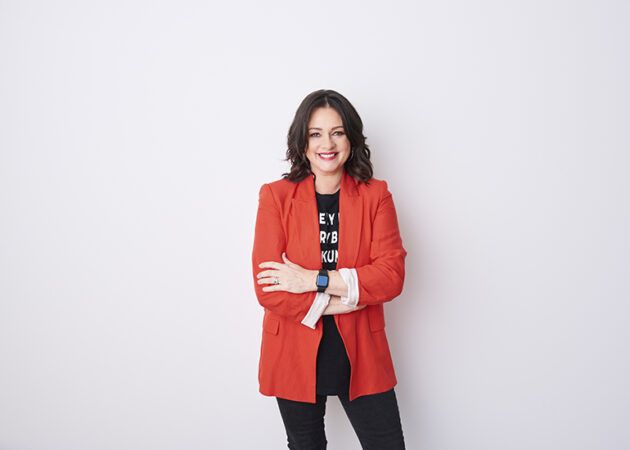
“As a mother of four daughters, a startup investor, mentor and the former founder of girledworld and Future Amp, International Women’s Day holds a special significance for me. It’s a day to acknowledge and celebrate the next generation of women, and to reflect on the education and skills they are developing for their future careers, which will shape our world.
“However, the reality is that the world they are entering is still unbalanced. Australia’s national gender pay gap persists at 13.3 per cent, and women-only founding teams received only 0.7 per cent of funding in 2022. Moreover, women are still underrepresented in decision-making roles. Achieving equity requires us to confront the systemic biases, stereotypes, and discrimination that have long held women back in boardrooms, businesses, startups, public office, and beyond.
“IWD provides an opportunity to highlight these inequalities and engage in challenging, constructive, and inclusive conversations about how we can level the playing field and reimagine our world so that women can thrive in their chosen careers, and our society can benefit from their contributions.”
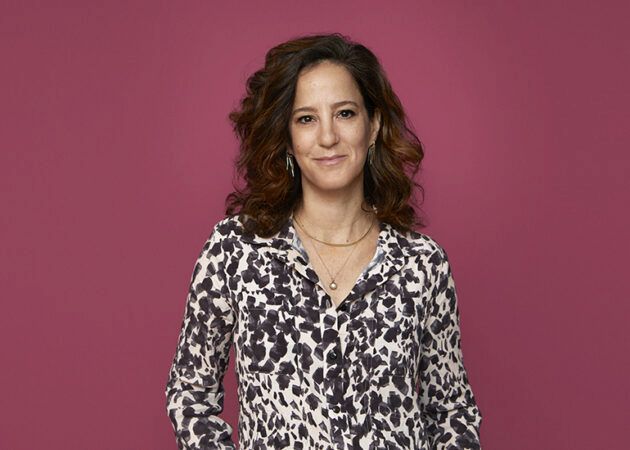
“International Women’s Day is a day that celebrates the empowerment of women across the globe. To me, it’s a significant moment to highlight the barriers women have had to overcome and celebrate how far we’ve come, especially within the global workforce.
“The hybrid working option is a blessing in disguise for parents. Hybrid work can improve job satisfaction and productivity. When employees are given the flexibility to work in a way that suits them, they tend to be more motivated and engaged in their work, enabling them to be more focused on driving results.
“Employers need to come to terms with the fact that women have a life outside of work. By providing women the opportunity to explore new ways of working, this will not only benefit staff, but organisations as a whole.”
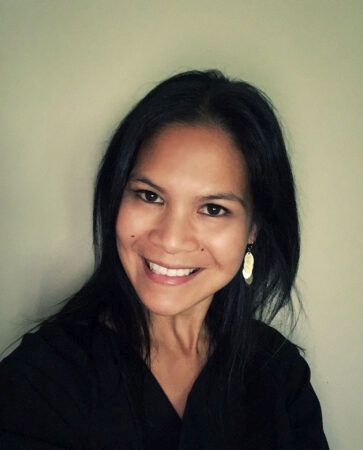
“IWD is an important day for me, not just to celebrate women and their progress in society, but on a more personal level, to help educate my three daughters on what women’s rights means for them now and how it can shape their future.”
“In my experience as a single mother of three, the shift to hybrid working has not made work-life balance any easier. Personally, I find it better to focus on work away from the home environment. At home, there are many distractions. From children interrupting me when I’m trying to work, to mind battles trying to squeeze in housework, grocery shopping, meal preparation – not to forget visits by trades people.
“When you separate the workplace from the home environment, I believe you can be more focused on your family and cherish the time with your family, rather than having to pop into the home office for a ‘quick Zoom call’ or ‘just sending a quick email’ that ends up taking an hour, when you could’ve been spending that time focusing on your family. This, of course, is a personal reflection based on my experience and I appreciate that not all experiences are the same.”
Want more? Get our newsletter delivered straight to your inbox! Follow Kochie’s Business Builders on Facebook, Twitter, Instagram, and LinkedIn.

Editor
Cec has been telling stories and chasing headlines for more than 25 years. These days, she’s editor of Private Media’s Business Builders and Flying Solo, and the voice behind the Flying Solo and First Act podcasts. She kicked off her editing career as the founding editor of Sydney street press The Brag and has since worn the editor’s hat across a stack of titles – from SX and CULT to Better Pictures, Total Rock, MTV, fasterlouder, mynikonlife and Fantastic Living. Cec’s reporting runs the gamut. She’s covered small business, politics, health and LGBTQIA+ issues with equal passion. And when she’s not in print or online, you might have caught her behind the mic at FBi Radio or in front of the camera on OutTV.


Comments