


Interior design dos and don’ts for restaurants, bars and cafes


From loud spaces lacking adequate sound buffers to dimmed lighting that makes it hard to read menus, hospitality venues can be let down by interior design decisions. On the flipside, clever interior design can provide that all-important customer comfort factor and really sell the type of experience your venue is looking to deliver. Whether you’re opening a new establishment, making over an old one or simply looking to make some tiny tweaks, Matt Cafarella, IKEA for Business Leader, shares the universal rules for nailing venue interior design.
The layout of your space is one of the most crucial aspects of interior design, impacting the flow of movement through your venue, the comfort of your guests, and the efficiency of your staff. “A well-thought-out layout allows patrons to socialise and enjoy their time without constantly bumping into others. It can also make for smoother service and help with noise control,” advises Cafarella. His top tips?
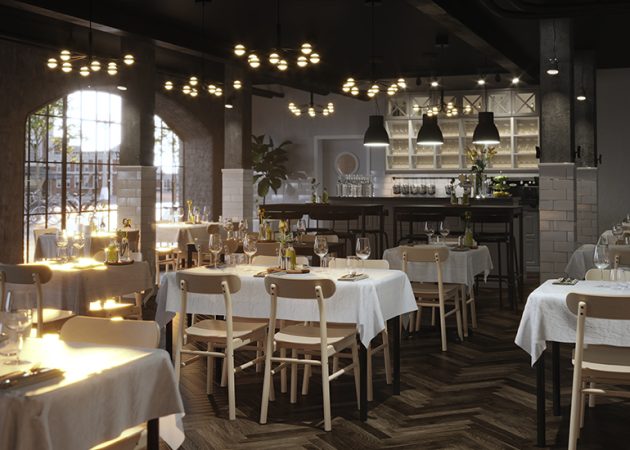
Lighting plays a dual role in interior design: setting the mood and serving a practical function. Warm lighting in dining and lounge areas fosters a cosy atmosphere; while playing up natural light can create a more relaxed, chilled vibe. “On a practical level, lighting can also be used to highlight features or distract from awkward spaces,” Cafarella notes. Things to consider when planning your lighting:
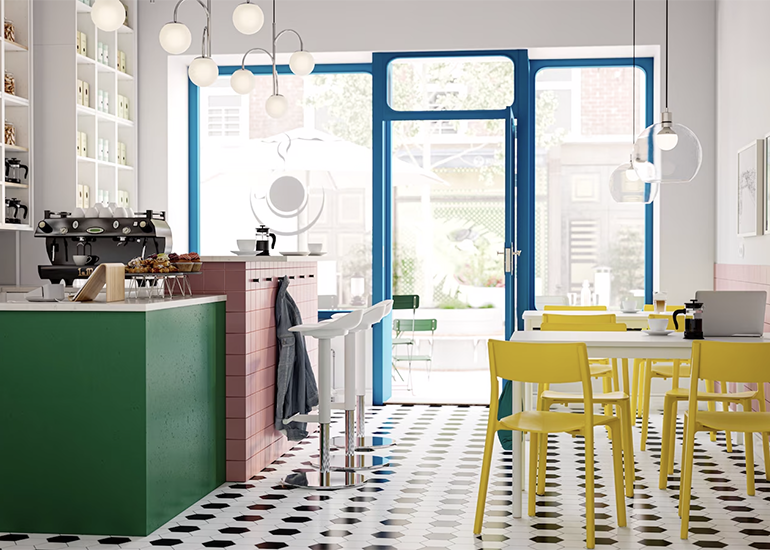
Just as important as lighting, noise management is critical to the customer experience. High noise levels can quickly turn a pleasant evening into an annoying one, while somewhere that’s too quiet can feel unwelcoming. “High-density, open rooms are noisy, while strategic seating and thoughtful floor planning can enhance the dining experience,” says Cafarella. His top suggestions?
Everything from the design of your furniture to your choice in artwork and dinnerware helps define your venue’s identity and impacts your guests’ experience – if you’ve ever sat on a stylish but uncomfortable chair or had a gourmet dish let down by flimsy cutlery, you know how much it can affect your overall experience. Textures, colours, and designs also play a significant role in setting the mood. Dark wood panelling conveys a different story than light oak or minimalist design. While a rustic wine bar might benefit from rich, dark tones and vintage-inspired furniture, a modern café could opt for light woods, clean lines, and a neutral palette to create a fresh, airy feel, for example. Décor can also do double duty breaking up large spaces – think screens, shelving, or even strategically placed plants. When making your selection, Cafarella advises quality is especially important in a commercial setting, where furniture and décor are subject to heavy use. “Durability is key in commercial spaces. Choose furniture that will stand up to wear and tear, and make sure it reflects your style.” Not sure where to start? Speak to someone who specialises in hospitality interior design. Based on knowledge and insights about your business and its needs, IKEA for Business’s interior design services can help co-create a solution with a floor plan and offer suggestions for furniture, lighting and accessories.

Join the IKEA Business Network, a free loyalty program giving you instant access to benefits, discounts and perks to create a better everyday life at work. Benefits include a free one-hour consultation with an interior designer, plus discounted interior design solutions. Join today.
This article is brought to you by Kochie’s Business Builders in partnership with IKEA for Business. Feature image: IKEA

Melanie Hearse is a West Australian-based freelance writer, specialising in real estate, personal finance, health, lifestyle and small business writing. Her work has appeared on four continents, and she regularly contributes to news and lifestyle outlets, magazines and speciality websites. When she’s not tapping on her keyboard, she can be found reading a book or talking the ear off a stranger, usually with one of her dogs in tow.



Comments